Wedding flowers case study Harringay Ladder venue install
Posted on 29/05/2026
If you are planning wedding flowers for a Harringay Ladder venue, you already know the tricky part is not just choosing beautiful blooms. It is making sure everything arrives in the right shape, fits the space, looks coherent in photos, and survives the real-world chaos of a wedding day. This Wedding flowers case study Harringay Ladder venue install looks at the practical side of venue floristry: what needs to be planned, how installation works, where problems usually appear, and how to make the whole thing feel calm rather than frantic. Truth be told, that calm feeling is half the luxury.
Whether you are working with a small terraced house reception, a hall, a restaurant, or a more intimate local venue in the Ladder area, the same principle applies: flowers should support the day, not steal time from it. Below, you will find a clear breakdown of the process, the benefits, the common mistakes to avoid, and a useful checklist you can actually use. We have also included relevant local resources like wedding flowers in Harringay N4, local flower shops in Harringay, and delivery information so you can move from ideas to action without endless tab-hopping.
Why Wedding flowers case study Harringay Ladder venue install Matters
A venue install is different from simply ordering bouquets. It is the point where design, logistics, timing, and spatial awareness meet. In a busy part of North London, small details matter: delivery windows can be tight, access may be awkward, parking may be limited, and older buildings can have narrow staircases or delicate interiors. That is why a case study approach is useful. It lets you see how the floral plan behaves in the real world, not just on a mood board.
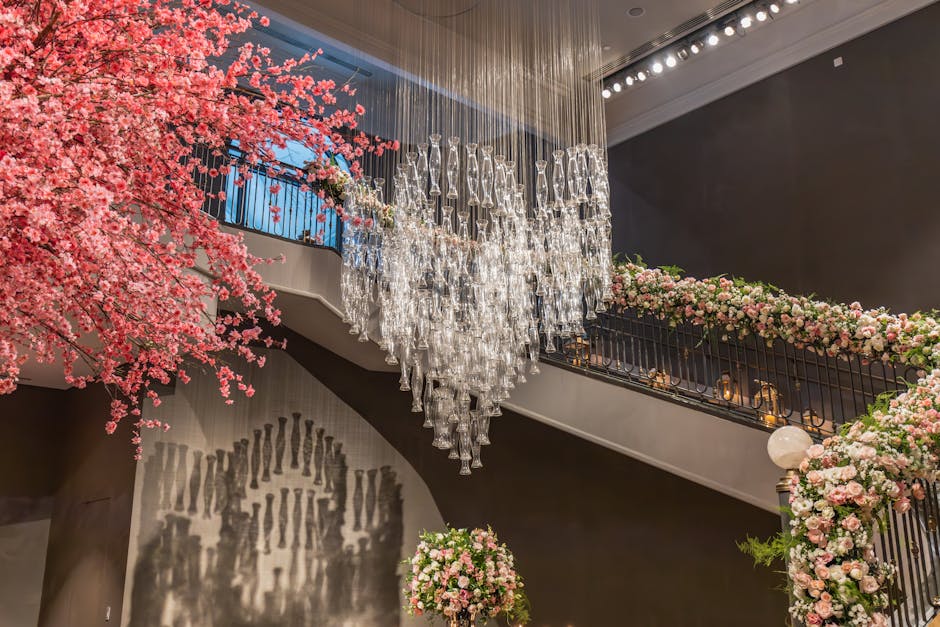
For weddings in the Harringay Ladder, the flowers usually need to do several jobs at once. They should frame the ceremony space, elevate the dining area, make photography easier, and feel personal to the couple. If the flowers are too bulky, they can crowd the room. Too sparse, and the setting can feel unfinished. The right balance is what turns a room into a wedding space. That sounds obvious, but honestly it is where many plans fall apart.
There is also an emotional side. Wedding flowers carry the atmosphere of the day. Guests often remember the scent at the entrance, the first look at the ceremony table, or the way a dining arrangement softened a bare venue wall. A strong floral install can make even a modest space feel considered and special. If you want broader inspiration, the weddings collection and luxury flowers pages are useful starting points.
Expert takeaway: the best wedding flower installs are not the biggest ones. They are the ones that fit the venue, the schedule, the budget, and the couple's style with very little fuss on the day itself.
How Wedding flowers case study Harringay Ladder venue install Works
A good installation usually starts long before anyone arrives with vases and ribbon. The process begins with a venue walk-through or a detailed discussion of the space, followed by design planning, stem selection, production, transport, and on-site setup. Each stage influences the next. If you change one thing late in the day, it can affect scale, budget, and timing.
In practical terms, a venue install in the Harringay Ladder area often has to account for the space itself. Georgian or Victorian-style rooms may have character, but they can also present awkward corners, fireplaces, uneven light, and tight access. The design has to work with those realities. You do not want the florist fighting the room; you want the room to feel like it has always held the flowers.
The most common components are:
- bridal bouquet and bridesmaid bouquets
- buttonholes and corsages
- top table or registrar table arrangements
- entrance or welcome florals
- aisle or ceremony accents
- table centrepieces and low arrangements
- statement pieces for photo areas or focal walls
For couples comparing styles, it can help to browse the dedicated bridal bouquets, bridesmaid bouquets, buttonholes, and table arrangements pages. Those pages make it easier to match the install to the parts of the day rather than guessing from one image.
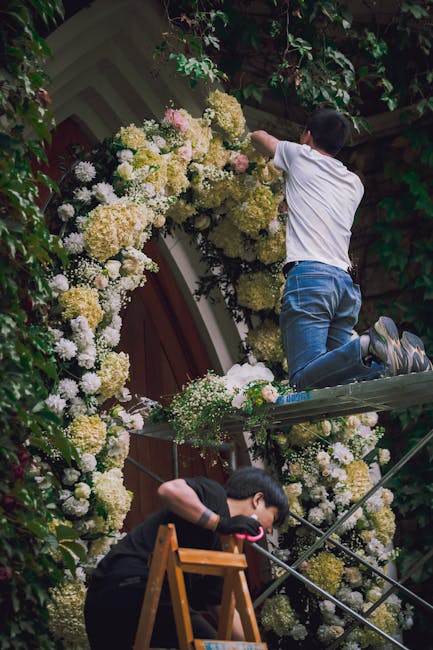
The install itself is usually done in a sequence. Large items go in first, because they define sightlines and walking routes. Then smaller table pieces, followed by bouquets, buttonholes, and final touch-ups. If candles, signage, or table linens are part of the plan, the florist may need to coordinate around those too. A tiny detail? Yes. But a tiny detail that can ruin the look if ignored.
Key Benefits and Practical Advantages
One of the biggest benefits of a thoughtful venue install is visual consistency. When every floral element is designed together, the bouquets, ceremony flowers, and table decor feel like part of the same story. Not all matching, necessarily. Matching can be a bit dull if overdone. But coordinated. Cohesive. Intentional.
Here are the main practical advantages:
- Better use of budget: you can prioritise high-impact areas rather than spreading money too thinly.
- Cleaner guest experience: arrangements can guide movement and define spaces.
- Stronger photos: the venue looks finished from multiple angles, especially in natural light.
- Less day-of stress: installation planning means fewer last-minute scrambles.
- More local relevance: a florist familiar with Harringay can usually anticipate access, timing, and delivery issues more accurately.
There is also a subtle comfort factor. Guests notice if the space feels settled and looked after. Flowers can soften hard edges, bring warmth into neutral rooms, and add a sense of occasion without needing a full redesign of the venue. For milestone celebrations or extra polished events, pairing flowers with a small card or gift element from wedding gifts can add a nice personal touch.
And let's face it, many wedding spaces need that softening. A beautiful arrangement can make a plain room feel human. That matters more than people sometimes admit.
Who This Is For and When It Makes Sense
This kind of floral planning makes sense for couples who want more than just hand-tied bouquets. It is especially useful if your ceremony and reception are in the same place, or if you are turning a home, private room, or community venue into a wedding setting for the day. The more the venue has to be transformed, the more valuable a structured flower install becomes.
It is also a strong fit for:
- couples hosting an intimate wedding in the Harringay Ladder area
- people working with a limited setup window
- anyone who wants a polished look without overfilling the room
- brides and grooms with a clear palette, such as white, blush pink, red, purple, or mixed colours
- families planning around faith, cultural, or symbolic floral choices
If you are still deciding whether to go bespoke or choose ready-made pieces, the local Harringay florist service can help you balance practical limits against the look you want. A venue install is usually worth it when the flowers need to do real spatial work, not just sit on a table and look pretty for ten minutes.
It may be less necessary if the wedding is extremely small, if the venue is already heavily styled, or if the budget is best spent elsewhere. That is not a failure. It is just honest planning.
Step-by-Step Guidance
Here is a straightforward way to approach a wedding flower install without overcomplicating it.
- Start with the venue layout. Measure key spaces, note entrances, table sizes, ceiling height, and where people will actually walk.
- Choose your focal points. Decide where flowers will have the most impact: ceremony table, top table, welcome area, aisle, or guest tables.
- Pick a colour direction. Keep the palette simple enough to repeat across all elements. Two or three main tones usually work well.
- Confirm timing and access. Check arrival windows, loading access, parking restrictions, stairs, lift access, and venue rules.
- Match flower types to the event style. Roses, lilies, hydrangeas, carnations, alstroemeria, germini, tulips, and mixed seasonal blooms all create different effects.
- Plan transport carefully. Flowers should travel upright and cool where possible. The moment they get jostled, the job gets harder.
- Do a final placement check on site. Before guests arrive, step back and view each arrangement from eye level and from across the room.
That last step is the one people skip. Then they wonder why the table looks a little heavy from one side. If you have ever set something up in your home and moved it three times because it looked wrong, you already understand the principle.
For finished stems and care guidance after the wedding, the flower care page is a helpful reference.
Expert Tips for Better Results
Small decisions often make the biggest difference in an install. One useful rule is to think in layers: height, shape, colour, and texture. If each arrangement has all four in the same proportion, the overall look can feel busy. Instead, let one layer lead and the others support.
Here are a few practical tips that come up again and again:
- Use symmetry where it helps, not everywhere. Ceremony spaces often benefit from balance, while dining tables can feel more relaxed with asymmetry.
- Keep sightlines open. Guests should be able to talk across the table without hiding behind tall stems.
- Choose hardy flowers where setup is long. Carnations, chrysanthemums, alstroemeria, and roses can handle a lot of handling well.
- Use fragrance with care. Lovely scent is great, but strong perfume near dining tables can be a bit much.
- Build around the venue light. Soft daylight needs different flower tones than evening candlelight.
One more thing: ask your florist what can be repurposed after the ceremony. Table arrangements can often move to the reception, entrance pieces can become photo backdrops, and smaller florals can travel between spaces. That is the kind of detail that makes a budget feel smarter, not tighter.
Expert summary: the smartest venue installs are flexible. They are designed to look complete in one moment, and to be moved or repurposed if the day changes shape.
Common Mistakes to Avoid
The most common mistake is designing for photographs only. Beautiful images matter, of course, but guests need the space to function. If flowers block movement, crowd the cake table, or take over every surface, the room starts to feel awkward.
Other mistakes to watch for:
- Leaving access details too late. If the florist cannot park near the venue or unload safely, the install will be slower and more stressful.
- Choosing too many flower varieties. Variety is good, but too much can muddy the overall style.
- Ignoring scale. A petite arrangement can vanish in a large room; a large piece can overwhelm a small one.
- Forgetting the practical weather factor. Heat, cold, and humidity all affect freshness.
- Not confirming breakdown or collection. If items need collecting after the event, say so early.
Another quiet problem is underestimating the time needed on the day. Even a neat, modest install can take longer than expected if the venue is busy or the traffic is annoying. And in London, that is not exactly rare.
Tools, Resources and Recommendations
You do not need complicated software to plan wedding flowers well, but a few practical tools help a lot. A simple floor plan, a short inspiration board, and a clear running order for the day can prevent most misunderstandings before they start. A printed checklist is still underrated, by the way. Old-fashioned, yes. Useful, absolutely.
Useful planning resources include:
- venue measurements and photos taken from multiple corners
- a palette reference showing exact shades, not just vague "blush" or "rustic" ideas
- notes on table counts, seating plan, and ceremony location
- delivery and access instructions for the florist
- care instructions for bouquets and table pieces in advance
For product browsing, you may want to look at roses, lilies, hydrangeas, and mixed colours if you want a softer, more seasonal design direction. For a more classic wedding mood, the white flowers and pink flowers collections are especially easy to build around.
If the wedding timeline is moving quickly, the main thing is not to overthink every stem. Pick a clear direction, get the logistics right, and allow the flowers to breathe a little. That is usually enough.
Law, Compliance, Standards, or Best Practice
For wedding flowers, there is usually no special legal requirement around the flowers themselves, but there are still sensible standards and venue rules to respect. A professional florist should work with the venue's access conditions, health and safety expectations, and any restrictions around ladders, fixing methods, candles, and floor protection. Those details may sound dull, yet they are the difference between a smooth install and a last-minute headache.
Good practice in the UK context usually includes:
- confirming venue permission before attaching anything to walls, railings, or furniture
- checking for safe access routes and avoiding trip hazards
- using appropriate packaging for transport and disposal
- respecting any venue deadlines for setup and breakdown
- keeping clear communication on substitutions if a flower type is unavailable
It is also sensible to review commercial terms and service details before booking. The pages on guarantees, returns and refund, terms and conditions, and payment help set expectations clearly. If you have accessibility needs or the venue has a particular access challenge, the accessibility statement is worth a look too.
Best practice is simple: write things down, confirm them early, and do not leave "we'll sort it on the day" as the plan. That phrase has a funny way of becoming expensive.
Options, Methods, or Comparison Table
Not every wedding needs the same flower strategy. Some couples want a fully installed look, while others only need a few hero pieces. Here is a simple comparison to help you decide what fits your day.
| Approach | Best for | Strengths | Watch-outs |
|---|---|---|---|
| Full venue install | Weddings where the space needs transforming | Most cohesive, high visual impact, strong photography | Needs more planning, more setup time, and a clearer budget |
| Partial install | Smaller venues or tighter budgets | Focuses spend on key moments like ceremony and tables | Can feel less immersive if focal points are not chosen well |
| Bouquet-led styling | Minimalist weddings or already-decorated venues | Simple, elegant, low logistics | Limited room transformation |
| Repurposed floral design | Couples wanting value across the whole day | Items move from ceremony to reception, improving efficiency | Requires stronger coordination on the day |
If you are unsure which method suits you, start by asking where the flowers need to work hardest. The answer is usually obvious once you walk the venue. Sometimes the room itself tells you, to be fair.
Case Study or Real-World Example
Picture a couple planning a wedding in a Harringay Ladder venue with a modest footprint and a fairly tight turnaround between access and guest arrival. They wanted the room to feel romantic, but not overloaded. They also wanted the flowers to move smoothly from ceremony to dining without wasting budget on separate designs for every space.
The florist's approach began with the layout. The entrance needed a welcoming first impression, the ceremony table needed a clean focal point, and the guest tables needed low arrangements so conversation could flow. Instead of using too many colours, the design stayed within a soft palette that linked all the pieces together. White was the anchor, with gentle pink and a little mixed greenery to keep it fresh rather than stiff.
For the bouquets, the design leaned toward a classic wedding look with one or two supporting textures. The couple chose from the wider wedding range, including elements inspired by wedding collections and white wedding collections. The key was consistency, not excess.
The install sequence made a real difference. Larger statement pieces went in first, then the tables, then the handheld florals. The result was a room that felt finished without feeling crowded. Guests could still move easily, photos looked balanced, and the couple did not spend half the morning worrying whether the flowers would fit. That alone can change the whole tone of the day.
One small but useful lesson from examples like this: the best installs are rarely dramatic in the "look at me" sense. They are dramatic in the "everything just works" sense. That is a much better kind of drama.
Practical Checklist
Use this checklist before your wedding flower install. It keeps the conversation practical and stops little details slipping through the cracks.
- Venue name, address, and access instructions confirmed
- Setup time and collection time agreed
- Floor plan or room photos shared with the florist
- Table count and table sizes confirmed
- Colour palette and flower preferences finalised
- Any no-go flowers or allergy concerns noted
- Transport method and packaging agreed
- Backup plan for substitutions discussed
- Pinning, fixing, or display restrictions checked with the venue
- Final invoice, payment, and terms reviewed
- Bouquet and buttonhole counts double-checked
- Post-ceremony repurposing or collection plan confirmed
Helpful reminder: if the install depends on access through a side entrance, basement, or tight stairwell, mention it early. It sounds small. It is not small.
Conclusion
A strong wedding flowers case study for a Harringay Ladder venue install shows that the real value of florist work is not just decoration. It is problem-solving. It is designing for the room, the schedule, the weather, the guests, and the feeling you want the day to carry. When all of those pieces line up, the flowers stop being an add-on and become part of the experience itself.
If you remember one thing, make it this: the most successful installs are planned with both beauty and practicality in mind. That means choosing the right flowers, the right scale, and the right timing, then trusting the space to do some of the work too. Not every arrangement needs to shout. Some of the best ones just settle into the room and make everything else look better.
For couples comparing options in the area, it is worth exploring the local wedding flowers service in Harringay N4 and speaking early about what your venue really needs. A thoughtful conversation now can save a lot of stress later. And yes, the flowers will thank you for it in their own way.
Get a free quote today and see how much you can save.
Frequently Asked Questions
What does a wedding flowers venue install actually include?
It usually includes the setup of floral pieces at the venue itself, such as ceremony flowers, table arrangements, entrance pieces, buttonholes, and any decorative accents agreed in advance. Some installs also cover repurposing items between ceremony and reception.
Is a Harringay Ladder venue install different from a standard wedding flower order?
Yes. A venue install focuses on the room, access, timing, and placement, not just the flowers themselves. That matters in homes, halls, restaurants, and compact London venues where layout can be a little awkward.
How far in advance should I book wedding flowers for a venue install?
As early as you can, especially for a busy summer date. The earlier you book, the easier it is to align flower choice, delivery timing, and venue access with the rest of the wedding plan.
What flowers work best for wedding installs in smaller venues?
Roses, carnations, alstroemeria, germini, and compact mixed arrangements often work well because they can feel full without taking over the room. Low arrangements are especially useful where table conversation matters.
Can the same flowers be used for the ceremony and the reception?
Often, yes. Repurposing is one of the smartest ways to improve value. Ceremony pieces can sometimes move to the reception, but this needs to be planned carefully so the timing does not become messy.
Do I need to provide venue measurements?
It helps a lot. Even rough measurements, table counts, or clear photos can improve the planning stage. The more the florist understands the room, the better the scale and placement will be.
What if my venue has awkward access or limited parking?
That should be discussed early. Tight access affects loading, setup time, and sometimes the type of packaging used. It is much better to explain it up front than to hope it works out on the day.
How do I choose between white, pink, purple, or mixed-colour wedding flowers?
Think about the venue, the dress, the table linens, and the mood you want. White feels clean and classic, pink is soft and romantic, purple can feel rich and modern, and mixed colours work well when you want energy and variety.
Can wedding flowers be installed on the same day as the ceremony?
Yes, and often they are. Same-day setup is common, but it needs a clear schedule and a realistic delivery window. The florist should know exactly when access begins and when guests arrive.
What should I ask a florist before confirming a venue install?
Ask about setup time, collection time, substitution policy, transport, care, access requirements, and what happens if the venue changes the plan at the last minute. Those questions sound practical because they are practical.
Are there any venue rules I should check before booking flowers?
Yes. Check whether the venue allows fixing to walls, the use of candles, live moss, petals, or any materials that could stain or create trip hazards. Venue rules are often simple, but they matter a lot once setup starts.
How can I keep wedding flower costs under control without losing impact?
Focus on the areas guests will notice most, use a limited colour palette, and look for arrangements that can be reused in more than one part of the day. A well-planned partial install can feel just as polished as a bigger one.
Where can I look for more local wedding flower inspiration?
The best place is usually a florist's wedding collection and product pages. For this area, browsing weddings, wedding corsages, and the main wedding flowers page is a sensible next step.